
The Ultimate Guide
Sustainability Leaders play a crucial role in guiding organisations towards environmental responsibility, with a key focus on reducing supply chain emissions. However, achieving meaningful sustainability outcomes requires accurate and reliable data.
The key to this achievement lies in collecting and utilising primary data.
Before delving into its significance, it is essential to define the three categories of data:
* Primary data: data collected directly from suppliers, manufacturers, or business operations.
* Secondary data: data derived from industry-average/third-party sources, incl. existing environmental databases & reports.
* Tertiary data: aggregated data from secondary sources, often used for broad market insights but lacks specificity.
The Significance of Primary Data for Sustainability Leaders
1/ Distinction Between Primary and Secondary Data
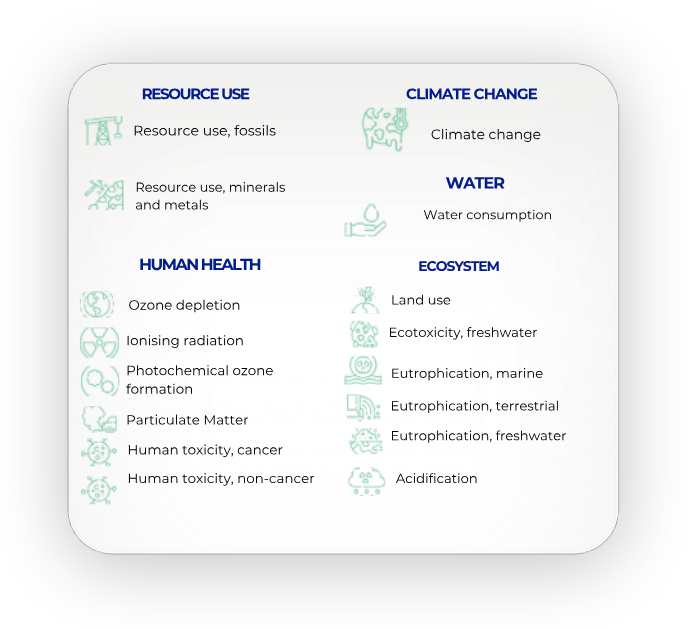
Primary data offers real-time, untainted, and specific insights essential for precise carbon footprint assessments (not just on CO2, but across all PEF environmental impact indicators like water, land, resource use, etc).
It enables brands to have visibility of their production ecosystem and allowing Sustainability Leads to identify and address emission hotspots to formulate targeted reduction strategies.
In contrast, secondary data relies on generalised industry averages, which may obscure critical areas for potential emissions reductions.
2/ The Impact of Primary Data on CO₂ Emission Reductions
Industry research underscores the efficacy of primary data in reducing carbon footprints. A study from McKinsey and MIT Climate Grand Challenges found that transitioning from secondary to primary data led to a 20% to 45% reduction in carbon emissions within the textile industry.
For instance, Unilever effectively integrates primary data into its supply chain management, enabling precise emissions tracking and targeted sustainability initiatives (World Economic Forum).
In a recent communication with Jessica Cederberg, a sustainability coach and founder of JCW Kommunikation, she highlighted the significant impact of primary data in shaping sustainability strategies to reduce emissions.
With more than 30 years of global experience in sustainability and business development, Jessica has collaborated with international brands to incorporate sustainability as a strategic advantage. She shared valuable insights regarding the importance of primary data in reducing carbon emissions.

“Studies and industry examples indicate that companies shifting to primary data collection from suppliers have observed emission reductions.
Primary data offers accurate insights into specific environmental impacts at each stage of the supply chain, allowing brands to better address high-impact areas like raw material sourcing, production, and transportation.”
Jessica Cederberg
3/ The Risks of Relying on Secondary Data
A lack of primary data may lead organisations to overlook significant sources of emissions, undermining the accuracy of reporting and the effectiveness of sustainability strategies.
An overreliance on secondary data may result in “carbon tunnel vision,” causing organisations to neglect broader environmental impacts, such as water usage, biodiversity, and circularity.
That said, secondary data still plays an important role in filling data gaps when primary data is unavailable. To maximise reliability, organisations should use tools like Peftrust’s Data Precision Ratio, which helps:
* Evaluate the influence of each data point on environmental scores
* Identify critical areas where primary data is essential
* Understand how missing data affects assessments and where default values may reduce accuracy

The Peftrust Data Precision Ratio (DPR) tool helps brands assess how primary vs. default data impacts their PEF and French eco-scores.
It highlights critical data points, shows where missing data lowers precision, and optimises resource allocation for better transparency.
🌟 Why the Stars? The star ratings indicate data accuracy levels by helping brands prioritise key primary data, pinpoint missing data’s impact, and optimise eco-scores
This allow brands to identify critical primary data points, assess how missing data affects final evaluations and understand where default values may lead to reduced precision. Jessica articulates this perspective as:
“Data isn’t just about looking back at past emissions; it’s about looking forward to anticipate where changes can be made for future impact”
Six Essential Steps for Effective Primary Data Collection and Utilisation
1/ Engagement with Internal Stakeholders
Sustainability is not confined to a single area – collaboration across various departments is imperative. Aligning sustainability objectives with internal teams in areas such as procurement, logistics, and operations ensures that primary data is seamlessly integrated into existing systems such as PLM (Product Lifecycle Management) and ERP (Enterprise Resource Planning).
By actively engaging internal stakeholders, organisations can break silos, build a data-driven structure, and accelerate sustainability efforts. For instance, hosting training sessions, workshops, and discussions can ensure that employees understand the importance of primary data and how it influences compliance and carbon footprint reduction.
2/ Mapping the Supply Chain
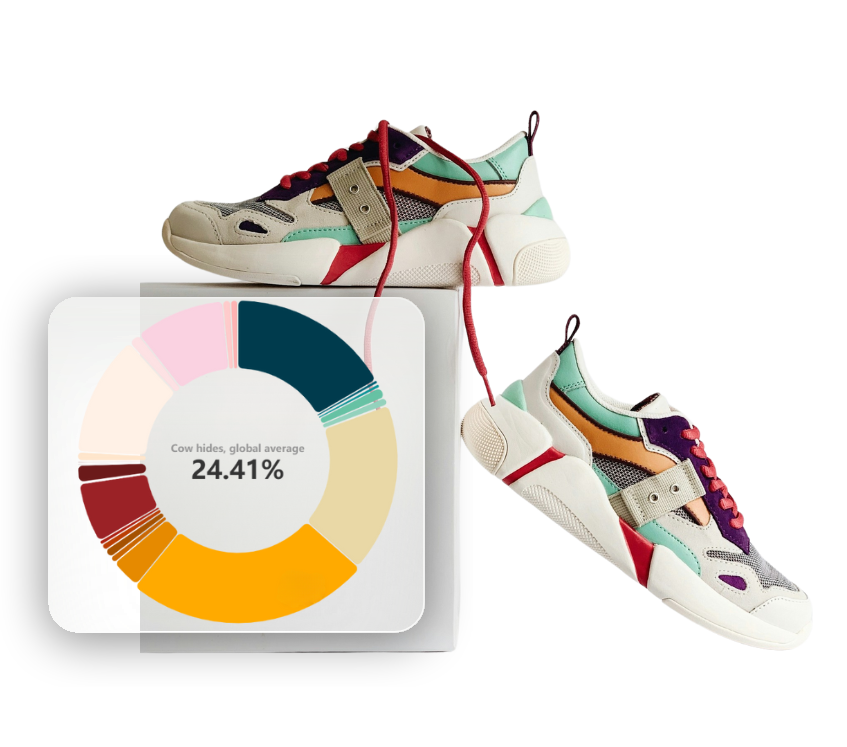
At the heart of supply chain mapping is collecting primary data from suppliers. This involves suppliers declaring the networks they work with and source from, including subcontractors, raw material sources, and manufacturing sites. The aim is to obtain timely, accurate and comprehensive information that can be verified using transactional documents. Primary data collection is necessary to understand the specifics of the supply chain. In this regard, Jessica emphasises a pivotal shift:
“As the power dynamics shift, it’s crucial to recognise that your suppliers hold the key to data—this is no longer just a “nice-to-have” but a “must-have” for your company’s sustainability journey.”
3/ Collaborate with Suppliers
A comprehensive understanding of the supply chain, encompassing Tier 1 and deeper suppliers, is crucial. Identifying suppliers possessing sustainability certifications or advanced data systems fosters enhanced data accuracy.
It is essential to work collaboratively with suppliers to emphasise the importance of emissions data. Organisations and suppliers should work on shared goals, providing support and guidance to help suppliers improve data accuracy and explore low-impact solutions together. According to Jessica:
“The shift in power means suppliers will need to share data now, and this will directly affect their relationship with your business. It’s no longer just about data collection but fostering a mutual commitment to sustainability goals.”
4/ Implementation of Data Collection Tools
To streamline data accuracy, businesses should invest in digital platforms. Adopting digital platforms that which aid in centralising and automating the data collection process helps organisations structure their data collection. These tools can integrate directly with suppliers and traceability platforms or with internal systems (PLM, ERP), ensuring consistency and accuracy.
Beyond data collection, advanced impact calculation tools, can effectively support businesses in data mapping, enabling them to improve their sustainability performance. This should include validating data quality through consistency checks on primary data and precision assessments.
An effective data strategy should include tools which aid users in refining the depth of their data, validate inputs, and align with specific organisational objectives, thus optimising their data collection efforts.
5/ Analyse and Act on the Data
Once collected, primary data should be leveraged to identify high-emission hotspots in production. Sustainability leaders must interpret insights, identify key trends, and implement data-driven strategies to enhance environmental performance.
Analysis of primary data enables organisations to prioritise sustainable materials, optimise transportation logistics, and execute targeted measures for reducing their environmental footprints, for instance, switching to low-impact raw materials, using low-carbon transportation, and durability testings.
6/ Ecodesign Progress Monitoring and Transparent Reporting
Establishing Key Performance Indicators (KPIs) aligned with ecodesign principles and science-based targets is crucial for compliance with evolving regulations, such as the Corporate Sustainability Reporting Directive (CSRD).
Product and Sustainability teams often operate in silos – one approaching challenges top-down, the other bottom-up – each with its own timelines, KPIs, and strategies for sustainable production. Eco-design, powered by primary data, bridges this gap. By integrating real-time, product-specific insights with a strong secondary database, companies can:
* Ensure accurate sustainability assessments
* Track material efficiency and reduce waste
* Measure real progress in lowering environmental impact
Regular assessments ensure data accuracy, track material efficiency, and highlight progress in reducing environmental impact. By integrating ecodesign into monitoring frameworks, organisations can move beyond product-level insights to assess the full sustainability footprint of their operations, fostering transparency and continuous improvement in circularity, resource optimisation, and lifecycle impact reduction.
Conclusion
Incorporating primary data into sustainability strategies is no longer optional. It is essential for accurate emissions tracking, regulatory compliance, and long-term environmental responsibility. Continuing the shift from secondary to primary data is a big leap.
Peftrust is here to support organisations so they can pinpoint emission hotspots, optimise supply chains, and drive meaningful carbon emission reductions. Moreover, collaborating with suppliers, leveraging digital tools, ensures transparency and accountability.
Sustainability Leaders must act now and start understanding what kind of primary data they should be collecting as weightening plays a huge role, at the same time, integrating an effective data collection framework can enhance their emission reduction performance.