
How Fashion Brands Turn Regulation into Competitive Advantage
Fashion brands are now expected to publish product-level environmental scores, often before their data systems are fully ready. In France, this means aligning with the Ecobalyse methodology, while at the EU level similar product transparency requirements are coming through the Digital Product Passport.
For many fashion teams, this requirement arrives before their supply chain data, traceability processes, and LCA workflows are fully in place.
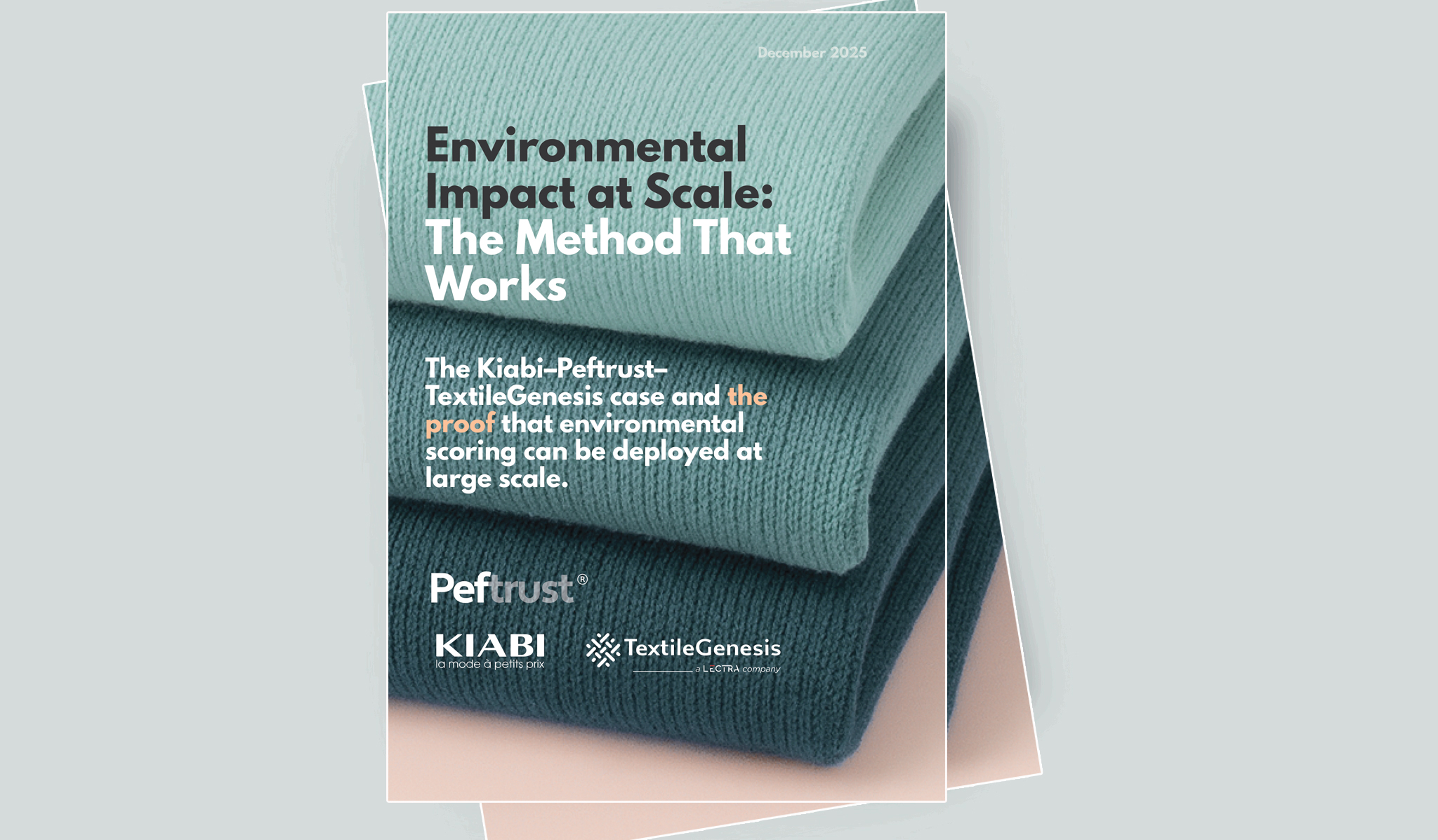
This case study looks at how Kiabi approached that gap. Rather than waiting for perfect data or limiting the effort to a small pilot, Kiabi built an operational system that now supports environmental impact scoring across more than 7,500 products published on Ecobalyse.
The result is not just regulatory alignment, but a structure that can scale, improve over time, and support decisions beyond disclosure.
Why This Case Matters
Many fashion brands face the same practical constraints:
-
Supply chains spread across multiple tiers and regions
-
Supplier data that exists, but is uneven or hard to verify
-
Long onboarding cycles for traceability and digital tools
-
Difficulty turning traceability data into reliable LCA results
Under regulatory pressure, these issues often lead to rushed disclosures, heavy use of assumptions, or isolated pilots that never scale.
This case study shows what happens when a brand tackles those constraints directly. It documents how Kiabi moved from fragmented data to a working, repeatable system, using real operational inputs rather than one-off calculations.
-
What you will find in the whitepaper
This whitepaper is not a theoretical overview. It is a concrete account of how environmental impact scoring was deployed in practice, at scale, across a large fashion retailer.
Inside, you will see:
-
How traceability data feeds directly into LCA calculations and improves score accuracy
-
How responsibilities were structured between the brand, the traceability platform, and the impact calculation engine
-
What realistic timelines look like for supplier onboarding and data quality improvement
-
How data precision can improve progressively, without waiting for complete supplier coverage
-
How environmental impact data can be used internally for sourcing, eco-design, and decision-making, not just compliance
The focus is on execution: what worked, what took longer than expected, and what other brands should plan for if they want to avoid last-minute compliance.
-
 Download the Environmental Impact Scoring Case Study for Fashion Brands
Access the full Kiabi–Peftrust–TextileGenesis case study and learn how environmental impact scoring can be deployed at scale in fashion.
The whitepaper is available in English and French.